Specialties · Pediatric wards
TVshuru Health for pediatric wards
A child in hospital is frightened, bored, and far from the rhythms of home — and so are their parents. The right bedside screen turns a scary procedure into a distraction, empty hours into play, and an anxious parent into an informed partner in care.
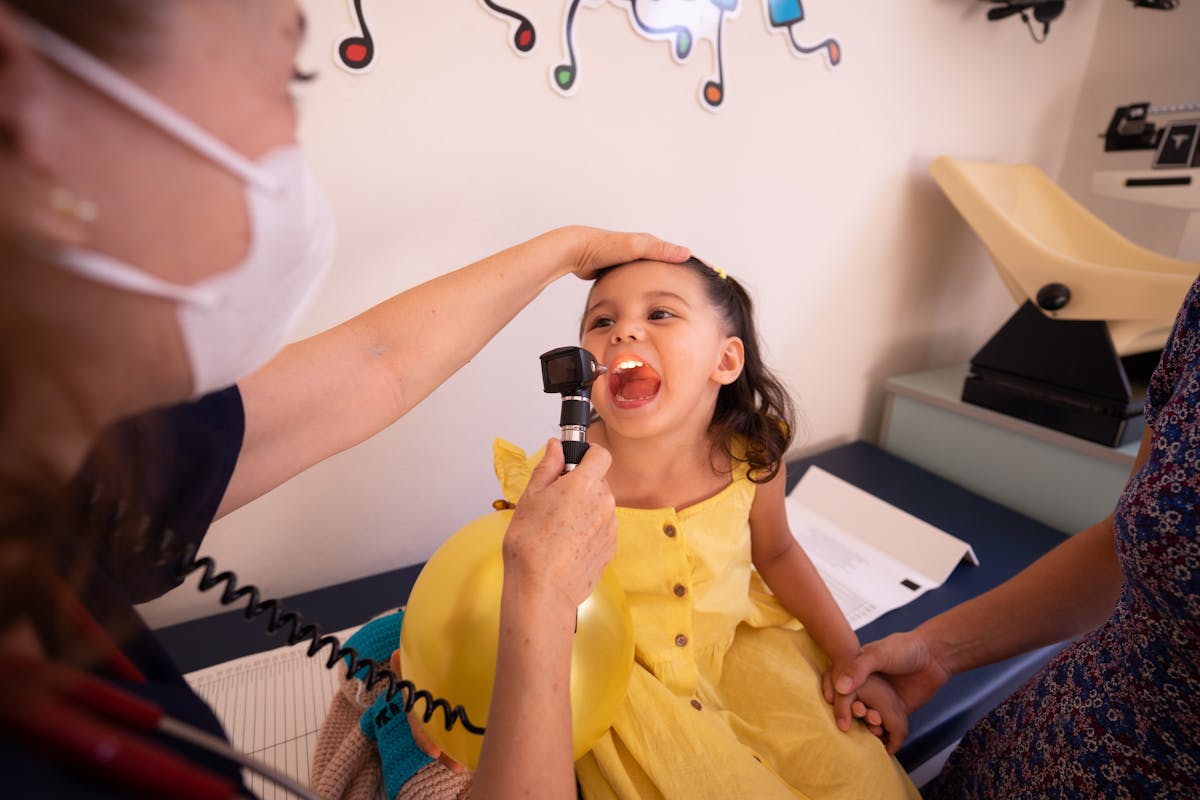
For children, hospitalization is measured in fear as much as in illness. Needles, unfamiliar rooms, and separation from normal life all register as threats, and distress at one procedure often makes the next one harder. Yet one of the most effective tools for a frightened child is remarkably simple: a good distraction. When attention is drawn to something engaging — a video, a game, an interactive story — the perceived intensity of pain and fear falls, and procedures go more smoothly for the child, the parent, and the clinician.
The evidence for distraction is substantial. A systematic review of 21 studies covering 2,663 children found that virtual-reality and audiovisual distraction significantly reduced pain, fear, and anxiety during needle procedures, with a pain reduction of −1.83 on standard scales.1 Not all distraction is equal: a review of 13 randomized trials in 1,104 children found that active, interactive distraction outperforms passive watching for procedural pain and anxiety.2 Even simple screen-based distraction has a measurable effect — one study found it cut vaccination pain by 45–74%.4 TVshuru Health is not a medical device and does not replace child-life specialists or the nurse call system; it gives them one more reliable, age-appropriate tool at every bed.
Where TVshuru Health helps on a pediatric ward
Age-appropriate procedure distraction
Interactive content engages a child during needles and dressings. Across 21 studies of 2,663 children, distraction significantly reduced pain, fear, and anxiety.1
Play & entertainment
Games, stories, and shows fill long ward hours. In a randomized trial of 304 children, play interventions reduced anxiety and negative emotions during their stay.3
Parent information channel
A dedicated channel keeps parents oriented — today's plan, the care team, ward routines, and what to expect next — reducing the anxious guesswork that fills a parent's day.
Education for caregivers
Plain-language lessons prepare parents to care for their child at home: medications, wound care, warning signs, and follow-up, delivered at the bedside and repeatable on demand.
Homework & normalcy
Access to lessons, reading, and familiar entertainment helps a child keep a foothold in ordinary life, easing the sense of being cut off from school and friends.
Family video calls
One-touch video keeps siblings, grandparents, and a parent who cannot stay overnight present at the bedside — connection that steadies an anxious child.
The goal on a pediatric ward: make procedures less frightening, fill empty hours with play, and turn worried parents into confident partners in care — supporting child-life and nursing teams, never replacing the nurse call system or clinical judgement.
Why distraction and parent engagement work
Pediatric care is where positive distraction has some of its strongest evidence. A systematic review of 21 studies in 2,663 children found virtual-reality and audiovisual distraction significantly reduced procedural pain, fear, and anxiety,1 and interactive distraction outperformed passive viewing across 13 randomized trials in 1,104 children.2 Beyond procedures, structured play itself lowered anxiety and negative emotions in a randomized trial of 304 hospitalized children,3 and screen-based distraction reduced vaccination pain by 45–74%,4 with audiovisual distraction showing the same benefit for procedural pain in young children.5 Parents matter just as much: an oriented, informed caregiver is calmer, and a calm parent helps a calm child. TVshuru Health brings interactive distraction, play, and a parent information channel together at the bedside — a complement to the child-life and nursing teams who know each child best.
Sources and further reading
- Virtual Reality and Audiovisual Distraction for Pediatric Needle Procedures: Systematic Review. Nursing Reports, 2024. pmc.ncbi.nlm.nih.gov/articles/PMC11417701
- Active Versus Passive Distraction for Pediatric Procedural Pain and Anxiety. Italian Journal of Pediatrics, 2023. pmc.ncbi.nlm.nih.gov/articles/PMC10472688
- Effect of Play Interventions on Anxiety in Hospitalized Children: Randomized Controlled Trial. BMC Pediatrics, 2016. pmc.ncbi.nlm.nih.gov/articles/PMC4787017
- Arane K, et al. Virtual Reality for Pain and Anxiety in Children During Vaccination. Canadian Family Physician, 2017. pmc.ncbi.nlm.nih.gov/articles/PMC5729140
- Patil S, et al. Audiovisual Distraction for Procedural Pain in Children. Saudi Journal of Medicine & Medical Sciences, 2024. pmc.ncbi.nlm.nih.gov/articles/PMC11268543
For pediatric & child-life teams
Bring calmer engagement to your youngest patients
We will map TVshuru Health to your procedure-distraction, play, and parent-education workflows.